Best Hip Replacement Surgeon in Goregaon
Hip pain can limit one's life to a significant degree. A short stroll turns into a difficult task; sitting for long hours can become uncomfortable; even small things like exiting a car may require much effort. In these cases, where traditional approaches have not provided sufficient relief, total hip replacement surgery may be considered. Dr. Rahul Modi provides hip replacement surgery in Goregaon at Kapadia Multispeciality Hospital in the western suburbs of Mumbai.
Why Hip Replacement Becomes Necessary
As the hip joint attaches the thigh bone to the pelvis, it bears much of the body's weight every time someone walks or stands. The most usual reason for needing a hip replacement procedure is osteoarthritis, although other conditions like rheumatoid arthritis, osteonecrosis, hip dysplasia, or fractures may also lead to the need for hip replacement. Dr. Modi usually attempts non-surgical methods to help manage pain and improve mobility before considering surgical options.
What Occurs During Surgery
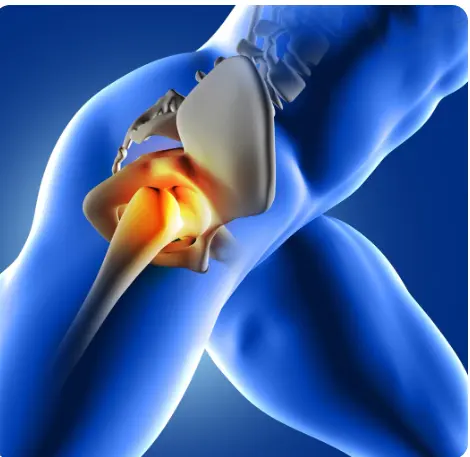
Total hip replacement is a procedure in which the damaged ball-and-socket hip joint is removed and replaced with an artificial implant made from materials such as metal alloys, ceramic, or medical-grade plastics. The operation usually takes around 1–2 hours and may be performed under general or regional anesthesia depending on the patient's condition and the surgical plan.
Depending on the condition of the patient, Dr. Modi may use one of three surgical approaches — posterior, anterior, or lateral. Each approach has its own considerations, and the choice depends on the patient's condition rather than following one standardized technique for everyone.
The Reasons Behind Patients' Trust in Dr. Modi
Dr. Modi holds an MBBS and MS degree in Orthopaedics, with the latter earned as a gold medalist. He also possesses DNB and MNAMS qualifications. He has undergone fellowship training in Sports Medicine, Arthroscopy, and Shoulder Surgery at Hospital Quirónsalud in Barcelona.
Dr. Modi has experience performing hip replacement procedures for patients with different ages and activity levels. The selection of the implant and surgical approach can vary depending on individual factors, and he discusses suitable options with patients based on their condition. His experience includes providing hip replacement treatment in Goregaon with an individualized approach.
Healing Process: What Should Be Expected
The length of hospital stay after hip replacement can vary depending on the patient's health, surgical approach, and recovery progress. Initially, patients may be introduced to simple activities such as ankle pumps and assisted walking, progressively advancing to strengthening and mobility exercises under appropriate guidance.
Some patients may be able to walk independently within a few weeks, while the overall recovery period varies from person to person. Following the rehabilitation plan and the precautions advised by the treating team can support the recovery process.
There may be important precautions during the early recovery period, such as avoiding crossing the legs, excessive hip bending, or certain movements that could place stress on the recovering joint. The specific precautions depend on the surgical approach and the patient's individual circumstances.
Dependable Authority in Hip Care in Goregaon
Throughout the years, patients have appreciated Dr. Modi's communication and calm approach during the treatment process. His focus is on understanding each patient's concerns, explaining available treatment options, and planning care according to their individual condition.
For patients seeking a hip replacement expert in Goregaon, Dr. Rahul Modi provides consultation and treatment at Kapadia Multispeciality Hospital.
Schedule Your Consultation
If hip pain is getting in the way of your day-to-day life — whether it's a short walk, getting up from a chair, or simply moving around comfortably — having the condition evaluated can help identify the underlying cause. Dr. Rahul Modi can help you understand your condition and discuss appropriate options, whether that involves physiotherapy and medication or, when clinically indicated, surgery.
He sees patients from Goregaon and the surrounding western suburbs of Mumbai. Visit drrahulmodiortho.com to learn more and book a consultation with Dr. Rahul Modi.
FAQs
1. What should I know before choosing a surgeon for hip replacement in Goregaon?
Dr. Rahul Modi, regarded as one of the best hip replacement surgeons in Goregaon, brings gold medal-level orthopedic training along with fellowship experience from Barcelona. What sets his approach apart is that he tailors both the implant type and surgical technique to each patient rather than following a one-size-fits-all method.
2. What conditions typically lead to needing a hip replacement?
Osteoarthritis is the most common reason, but rheumatoid arthritis, osteonecrosis, hip dysplasia, and fractures can also make hip replacement necessary. Dr. Modi generally explores non-surgical options first, moving to surgery only when pain and mobility issues persist despite conservative treatment.
3. What's the difference between posterior, anterior, and lateral hip replacement approaches?
These refer to the direction from which the surgeon accesses the hip joint during surgery, each with its own advantages depending on the patient's anatomy and condition. Dr. Modi selects the approach based on individual factors rather than defaulting to one method for every patient.
4. How long does hip replacement surgery usually take?
The procedure typically takes around 1 to 2 hours and is performed under general anesthesia. The artificial implant — made from alloys, ceramic, or medical-grade plastic — replaces the damaged ball-and-socket joint during this time.
5. What movements should I avoid right after hip replacement surgery?
In the early recovery period, patients are usually advised to avoid crossing their legs, bending the hip past 90 degrees, and bending forward from a seated position, since these movements can put stress on the healing joint. These precautions typically ease as recovery progresses.
6. How soon can I walk on my own after hip replacement surgery?
Most patients begin with simple movements like ankle pumps and assisted walking shortly after surgery, progressing to walking independently within two to three weeks. Full recovery, with consistent rehabilitation, generally takes around three to four months.
7. Do I need to stay in the hospital for several days after hip replacement?
Hospital stays are typically a few days, though some patients who meet certain recovery criteria may be discharged sooner. The exact duration depends on individual healing progress and how quickly early mobility milestones are met.