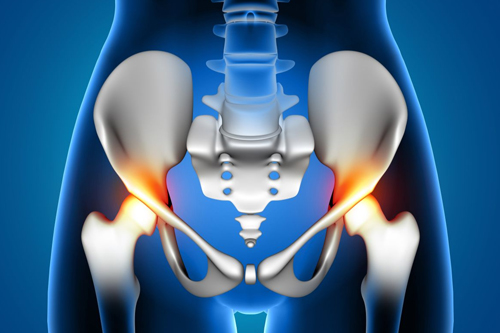
Hip replacement is a surgical treatment for a severely damaged or painful hip joint that affects walking, movement, and everyday activities. The damaged joint surfaces are replaced with artificial components to help reduce pain and restore function.
Dr. Rahul Modi has experience in arthroplasty and hip replacement, including exposure to primary and revision total hip arthroplasty and management of complex orthopaedic conditions.
Hip replacement, also known as hip arthroplasty, involves replacing damaged parts of the hip joint with artificial components. The goal is to reduce pain, improve hip function, and help the patient move more comfortably.
The need for hip replacement is assessed individually based on symptoms, joint damage, mobility, imaging findings, overall health, and response to non-surgical treatment.
Hip replacement may be considered when significant hip damage is causing persistent symptoms and limiting normal activities.
- Advanced hip arthritis
- Persistent hip pain
- Significant joint damage
- Increasing stiffness
- Difficulty walking
- Pain affecting daily activities
- Reduced hip movement
- Limited relief from non-surgical treatment
Hip joint problems can gradually affect mobility and quality of life. Common symptoms include:
- Persistent hip or groin pain
- Pain while walking
- Hip stiffness
- Reduced hip movement
- Difficulty climbing stairs
- Difficulty standing for long periods
- Difficulty performing daily activities
- Reduced ability to remain active
Hip joint damage can develop gradually or occur following injury. Common causes include:
- Osteoarthritis
- Age-related joint degeneration
- Previous hip injury
- Joint wear and degeneration
- Previous trauma
- Long-standing hip problems
- Conditions affecting hip joint function
- Advanced joint damage
A hip replacement consultation begins with a detailed assessment of your symptoms, mobility, medical history, and hip function. Imaging helps assess the condition of the joint and the extent of damage.
Your treatment options are discussed according to your condition, lifestyle, activity level, overall health, and response to previous treatments.
During hip replacement, damaged portions of the hip joint are removed and replaced with artificial components. The surgical approach and implant selection depend on the patient's individual condition and clinical requirements.
- Detailed pre-operative assessment
- Patient-specific surgical planning
- Removal of damaged joint surfaces
- Placement of artificial components
- Assessment of hip alignment and stability
- Intra-operative evaluation
- Post-operative pain management
- Guided rehabilitation
Hip replacement may be performed as a primary procedure when the natural joint is severely damaged. Revision hip replacement may be required in selected patients when a previous hip replacement develops a problem that requires further surgical management.
Dr. Modi's orthopaedic training included exposure to both primary and revision total hip arthroplasty, along with complex trauma and reconstructive orthopaedic care.
The goals of hip replacement are to reduce pain and improve movement and function. Depending on the patient's condition and recovery, potential benefits may include:
- Relief from severe hip pain
- Improved hip movement
- Improved walking ability
- Better ability to perform daily activities
- Improved joint function
- Reduced activity limitations
- Support for a more active lifestyle
- Improved quality of life
Recovery varies from patient to patient and depends on overall health, hip condition, surgical findings, and rehabilitation progress. Early guided movement and rehabilitation are important parts of recovery.
Physiotherapy may help restore hip movement, strength, balance, walking ability, and confidence with everyday activities. Your rehabilitation plan will be tailored to your progress.
An orthopaedic evaluation may be appropriate when hip pain and stiffness continue to affect your everyday life despite appropriate non-surgical treatment.
- Persistent or severe hip pain
- Pain while walking
- Increasing stiffness
- Reduced hip movement
- Difficulty climbing stairs
- Difficulty with daily activities
- Significant joint damage
- Limited improvement with non-surgical care
When is hip replacement recommended?
Hip replacement may be considered when significant joint damage causes persistent pain,
stiffness, and difficulty with daily activities, particularly when non-surgical treatment
no longer provides sufficient relief.
Is hip replacement suitable for everyone with hip pain?
No. The need for surgery depends on the severity of joint damage, symptoms, examination,
imaging, overall health, and response to other treatments.
How long does recovery after hip replacement take?
Recovery varies between patients. Your health, the condition of the hip, surgical procedure,
and rehabilitation program all influence the recovery process.
Will I need physiotherapy after hip replacement?
Rehabilitation and physiotherapy may be recommended to help restore strength, movement,
balance, and walking ability after surgery.
When can I return to normal activities?
Return to daily activities depends on healing, strength, mobility, and your individual
recovery. Your orthopaedic team will guide you through each stage of rehabilitation.
If hip pain or stiffness is affecting the way you walk or manage daily activities, consult Dr. Rahul Modi for a detailed assessment and personalized advice on the most appropriate treatment for your hip condition.