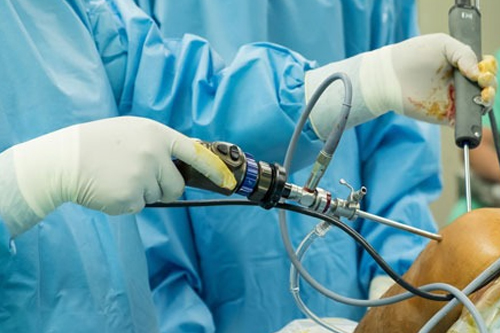
Shoulder pain, instability, stiffness, and weakness can make everyday movements such as lifting, reaching, dressing, or playing sports difficult. A detailed orthopaedic assessment helps identify the underlying problem and guide treatment.
Dr. Rahul Modi has dedicated arthroscopy training and experience in shoulder arthroscopy, including treatment of labral injuries, recurrent shoulder dislocation, SLAP tears, multidirectional instability, and rotator cuff tears.
Shoulder surgery includes procedures used to treat selected injuries and conditions affecting the shoulder joint and surrounding structures. Depending on the diagnosis, treatment may be performed through minimally invasive arthroscopy or another appropriate surgical approach.
Surgery is recommended only when clinically appropriate, after assessing symptoms, examination findings, imaging, activity requirements, and response to non-surgical care.
Shoulder problems may develop after an injury, repetitive activity, or gradually over time. Conditions that may require orthopaedic evaluation include:
- Shoulder instability
- Recurrent shoulder dislocation
- Labral injuries
- SLAP tears
- Multidirectional instability
- Rotator cuff tears
- Sports-related shoulder injuries
- Other selected shoulder disorders
Shoulder conditions can affect both strength and movement. Common symptoms include:
- Persistent shoulder pain
- Pain while lifting the arm
- Shoulder stiffness
- Reduced range of movement
- Weakness in the shoulder or arm
- Recurrent shoulder dislocation
- Feeling of instability
- Pain during sports or overhead activities
Shoulder problems can result from an injury, repetitive stress, or changes within the joint and surrounding soft tissues.
- Sports injuries
- Falls and accidents
- Shoulder dislocation
- Repetitive overhead activity
- Direct trauma
- Rotator cuff injury
- Labral injury
- Previous shoulder injury
A detailed shoulder assessment includes understanding your symptoms, previous injuries, activity level, and shoulder function. Physical examination and appropriate imaging such as X-rays or MRI may be recommended depending on the suspected condition.
The treatment plan is based on the affected structure, severity of the problem, functional requirements, and response to previous treatment.
Not every shoulder condition requires surgery. Depending on the diagnosis, treatment may initially include:
- Activity modification
- Physiotherapy
- Shoulder strengthening
- Mobility exercises
- Pain management
- Movement modification
- Gradual return to activity
- Regular follow-up
Shoulder arthroscopy is a minimally invasive procedure in which a small camera is used to view the inside of the shoulder and treat selected problems through small incisions.
Dr. Modi's documented shoulder arthroscopy experience includes procedures for labral injuries, recurrent shoulder dislocations, SLAP tears, multidirectional instability, and rotator cuff tears.
Depending on the diagnosis and severity of the condition, selected patients may be treated with arthroscopic or other appropriate surgical procedures.
- Shoulder arthroscopy
- Labral injury procedures
- Treatment of recurrent dislocation
- SLAP tear procedures
- Multidirectional instability procedures
- Rotator cuff procedures
- Sports injury treatment
- Post-operative rehabilitation
Shoulder injuries are common in activities involving throwing, overhead movement, contact, falls, or repetitive loading. Accurate diagnosis and structured rehabilitation can help restore shoulder stability, strength, and movement.
Recovery depends on the shoulder condition, procedure performed, severity of the injury, and individual healing. Rehabilitation is an important part of restoring shoulder movement, strength, stability, and function.
Return to sports and demanding activities should be gradual and guided by healing, strength, stability, and functional recovery.
Consider a shoulder evaluation if pain, stiffness, weakness, or instability is persistent or begins affecting your everyday activities or sports.
- Persistent shoulder pain
- Difficulty lifting the arm
- Reduced shoulder movement
- Shoulder weakness
- Recurrent dislocation
- Shoulder instability
- Pain after an injury
- Difficulty with sports or overhead activity
When should I see an orthopaedic specialist for shoulder pain?
Consider an evaluation if shoulder pain persists, movement is restricted, the shoulder feels
unstable, or symptoms are affecting daily activities, work, or sports.
What is shoulder arthroscopy?
Shoulder arthroscopy is a minimally invasive procedure that uses a small camera to examine
and treat selected problems inside the shoulder joint through small incisions.
Do all shoulder injuries require surgery?
No. Many shoulder conditions can initially be managed with appropriate activity modification,
physiotherapy, strengthening, and other non-surgical measures. Surgery is considered when
clinically appropriate.
Can recurrent shoulder dislocation be treated surgically?
Selected patients with recurrent instability or dislocation may benefit from surgical
stabilization after a detailed clinical and imaging assessment.
How long does recovery after shoulder surgery take?
Recovery varies according to the injury and procedure. Rehabilitation, healing, strength,
stability, and the activities you want to return to all influence the recovery timeline.
If shoulder pain, weakness, stiffness, or instability is affecting your daily life or keeping you away from sports, consult Dr. Rahul Modi for a detailed assessment and personalized treatment plan.