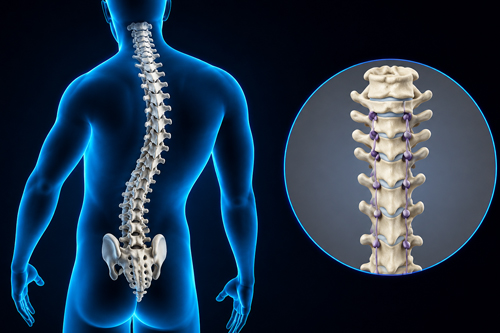
Bone and joint deformities can affect alignment, movement, comfort, and everyday function. Deformity correction focuses on understanding the underlying problem and restoring better alignment and function through an individualized treatment plan.
Dr. Rahul Modi has comprehensive orthopaedic training with exposure to deformity correction, trauma, arthroplasty, paediatric orthopaedics, and complex bone and joint conditions.
Deformity correction is the assessment and treatment of abnormal bone or joint alignment that may affect movement, stability, appearance, or function. The deformity may be related to development, previous injury, joint degeneration, or other orthopaedic conditions.
Treatment is planned according to the type, location, severity, and cause of the deformity, along with the patient's age, activity level, symptoms, and functional needs.
Orthopaedic deformities can affect different bones and joints. An assessment may be considered for:
- Abnormal limb alignment
- Angular deformities
- Deformities following fractures
- Joint alignment problems
- Post-traumatic deformities
- Lower-limb alignment problems
- Deformity associated with joint degeneration
- Selected developmental deformities
Some deformities are noticeable visually, while others may mainly affect movement or cause discomfort. Common concerns include:
- Visible change in limb alignment
- Pain or discomfort
- Difficulty walking
- Reduced joint movement
- Uneven loading of a joint
- Joint stiffness
- Difficulty with physical activity
- Change in function after an injury
Bone and joint alignment problems can develop for different reasons. Possible causes include:
- Developmental or growth-related factors
- Previous fractures or trauma
- Improperly healed fractures
- Joint degeneration
- Previous surgery or injury
- Abnormal bone or joint alignment
- Conditions affecting bone growth
- Long-standing orthopaedic conditions
Accurate assessment is important before planning deformity correction. Your evaluation may include a detailed clinical examination, assessment of limb alignment and movement, and appropriate imaging such as X-rays or advanced scans when required.
The treatment plan is based on the location and severity of the deformity, its cause, symptoms, joint involvement, overall health, and functional requirements.
Treatment depends on the nature and severity of the deformity. Some patients may be managed with observation, physiotherapy, or other non-surgical measures, while significant deformities may require corrective surgery.
- Observation and regular assessment
- Activity modification
- Physiotherapy and strengthening
- Supportive treatment when appropriate
- Corrective osteotomy when indicated
- Surgical realignment
- Fracture-related deformity correction
- Joint replacement when clinically appropriate
When surgery is required, the goal is to improve bone or joint alignment and restore function while addressing the underlying cause of the deformity. The exact procedure depends on the affected bone or joint and the patient's individual anatomy.
Careful pre-operative planning is important to determine the required correction and appropriate surgical approach.
Alignment problems around the knee and lower limb can influence how forces pass through the joint and may contribute to pain, stiffness, or difficulty with movement. A detailed assessment helps determine whether observation, joint-preserving treatment, corrective surgery, or another option is appropriate.
A fracture or significant injury can sometimes heal with altered alignment and affect normal movement. When a post-traumatic deformity causes symptoms or functional limitations, corrective treatment may be considered after detailed assessment and imaging.
Recovery depends on the type of deformity, procedure performed, bone healing, and overall health. Rehabilitation may be an important part of recovery to restore movement, strength, balance, and function.
Your activity level and weight-bearing plan will depend on the specific procedure and healing progress. Follow-up visits help monitor recovery and guide rehabilitation.
Consider an orthopaedic evaluation if you notice a change in alignment or if a deformity is affecting movement, comfort, or daily activities.
- Visible limb or joint deformity
- Persistent pain or discomfort
- Difficulty walking
- Reduced joint movement
- Deformity after a fracture
- Increasing difficulty with activities
- Joint stiffness or instability
- Symptoms affecting quality of life
What is deformity correction?
Deformity correction is the assessment and treatment of abnormal bone or joint alignment
that affects movement, stability, comfort, or function.
Do all deformities require surgery?
No. Treatment depends on the cause and severity of the deformity. Some patients may be
managed without surgery, while significant or symptomatic deformities may require corrective
procedures.
Can a deformity caused by a previous fracture be corrected?
In selected cases, a post-traumatic deformity can be corrected surgically. The appropriate
treatment depends on the bone involved, alignment, symptoms, and healing pattern.
How is a deformity evaluated?
Evaluation usually includes a clinical examination and imaging to understand the alignment,
location, severity, and effect of the deformity on surrounding joints.
How long does recovery take after deformity correction?
Recovery varies according to the type of deformity and procedure performed. Bone healing,
rehabilitation, and individual recovery all influence the timeline.
If a bone or joint deformity is affecting your movement or causing discomfort, consult Dr. Rahul Modi for a detailed orthopaedic assessment and personalized treatment plan.