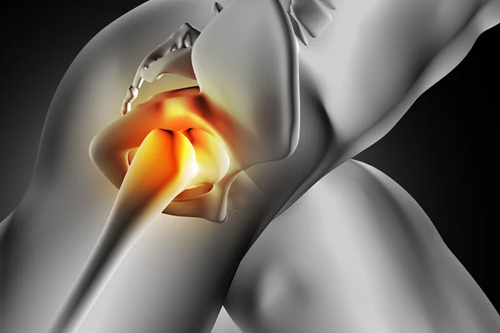
Complex injuries around the hip and pelvis can affect weight-bearing, walking, joint stability, and long-term mobility. These injuries require careful assessment of the bone, joint surface, alignment, and surrounding structures before treatment is planned.
Dr. Rahul Modi's orthopaedic training includes exposure to complex trauma, acetabular fractures, pelvic injuries, hip arthroplasty, and reconstructive orthopaedic care.
Hip and pelvic acetabular surgery involves the assessment and treatment of selected injuries and conditions affecting the hip joint, acetabulum, and pelvic region. Treatment may involve non-surgical management, fracture stabilization, reconstruction, or joint replacement depending on the individual condition.
Because the acetabulum forms the socket of the hip joint, accurate assessment of fracture pattern, joint involvement, and alignment is important when planning treatment.
Hip and pelvic conditions can range from injuries following major trauma to problems affecting the hip joint over time. Orthopaedic evaluation may be required for:
- Acetabular fractures
- Pelvic fractures
- Complex hip injuries
- Hip joint injuries
- Fracture-dislocations around the hip
- Post-traumatic hip problems
- Selected complex hip conditions
- Hip conditions requiring arthroplasty
Hip and pelvic injuries can cause significant pain and difficulty with movement. Common symptoms may include:
- Severe hip or pelvic pain
- Difficulty standing or walking
- Difficulty bearing weight
- Restricted hip movement
- Swelling or bruising after trauma
- Hip stiffness
- Reduced mobility
- Pain following an accident or fall
Complex hip and pelvic injuries are often associated with significant trauma. Common causes include:
- Road traffic accidents
- High-energy trauma
- Falls from height
- Sports-related trauma
- Direct impact
- Severe twisting or impact injuries
- Previous hip trauma
- Degenerative hip conditions
Complex hip and pelvic injuries require detailed assessment to understand the fracture pattern, joint involvement, alignment, and surrounding structures. Evaluation may include physical examination and imaging such as X-rays and CT scans, with other investigations when clinically required.
Treatment planning is based on the injury pattern, joint involvement, displacement, overall health, functional requirements, and expected recovery.
Selected injuries may be managed without surgery when the fracture pattern and joint stability allow it. Treatment may include:
- Activity restriction
- Protected weight-bearing
- Pain management
- Regular imaging and follow-up
- Physiotherapy when appropriate
- Gradual mobility progression
- Functional rehabilitation
- Monitoring of bone healing
Surgery may be recommended when an acetabular or pelvic injury is displaced, unstable, involves the hip joint, or is unlikely to heal in an appropriate position with non-surgical treatment.
The objective of surgery is to restore appropriate alignment and stability while protecting hip joint function as far as possible.
- Fracture reduction
- Internal fixation when indicated
- Pelvic fracture stabilization
- Acetabular fracture fixation
- Treatment of selected fracture-dislocations
- Complex trauma management
- Reconstructive procedures when required
- Hip replacement in selected cases
In selected patients with severe hip joint damage or complex post-traumatic problems, hip replacement may be considered. The decision depends on the condition of the joint, bone quality, previous treatment, and overall functional requirements.
Dr. Modi's training includes exposure to primary and revision total hip arthroplasty, along with complex trauma and reconstructive orthopaedic care.
Hip and pelvic acetabular injuries are often part of high-energy trauma and may occur alongside other injuries. Dr. Modi has documented experience in orthopaedic trauma, including more than 500 orthopaedic trauma surgeries.
His training also includes complex trauma, fracture management, arthroplasty, and reconstructive orthopaedic care.
Recovery after hip or pelvic surgery varies according to the injury, procedure, bone healing, overall health, and rehabilitation progress. Weight-bearing restrictions may be required for a period depending on the injury and treatment.
Rehabilitation focuses on gradually restoring hip movement, strength, balance, walking ability, and independence with daily activities.
Significant hip or pelvic injuries should be assessed promptly, particularly when there is:
- Severe hip or pelvic pain
- Inability to bear weight
- Difficulty standing or walking
- Significant swelling or bruising
- Suspected fracture
- Hip deformity after trauma
- Restricted hip movement
- Persistent symptoms after an accident
What is an acetabular fracture?
The acetabulum is the socket portion of the hip joint. An acetabular fracture is a break
involving this socket and may require careful assessment of joint alignment and stability.
Do all pelvic or acetabular fractures require surgery?
No. Treatment depends on the fracture pattern, displacement, stability, joint involvement,
and overall condition of the patient. Selected injuries can be managed without surgery.
How are acetabular fractures diagnosed?
Assessment generally involves a clinical examination and imaging. X-rays and CT scans may
be used to understand the fracture pattern and involvement of the hip joint.
How long does recovery take after pelvic or acetabular surgery?
Recovery varies according to the injury and procedure. Bone healing, weight-bearing
restrictions, rehabilitation, and individual health all influence recovery.
Will I need physiotherapy after surgery?
Rehabilitation is commonly an important part of recovery and may help restore hip movement,
strength, balance, walking ability, and functional independence.
Complex hip and pelvic injuries require careful assessment and treatment planning. Consult Dr. Rahul Modi for an orthopaedic evaluation and personalized guidance for your condition.