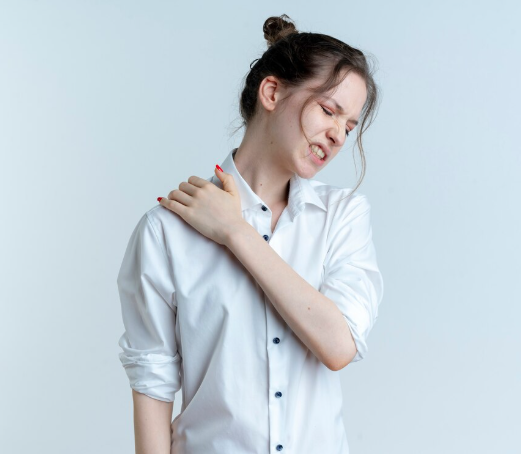
Best Shoulder Specialist in Goregaon
For those looking for professional evaluation and treatment for shoulder pain, Dr. Rahul Modi provides comprehensive care as a shoulder specialist in Goregaon. Dr. Modi combines specialized training with a patient-focused approach to provide accurate assessment and treatment plans suited to individual shoulder conditions at Kapadia Multispeciality Hospital.
Complete Management for Shoulder Pain
Due to its complicated structure and wide range of motion, the shoulder can be affected by conditions such as rotator cuff tendinitis, bursitis, arthritis, frozen shoulder, and shoulder instability. These problems may cause discomfort that affects daily activities, movement, or sleep.
Dr. Modi evaluates the possible cause of shoulder pain, including injuries, overuse, age-related changes, or pain originating from nearby structures. A detailed assessment helps determine the appropriate treatment approach for each patient.
Why Opt for Dr. Rahul Modi, the Shoulder Specialist in Goregaon?
Dr. Modi holds an MBBS, MS in Orthopaedics with gold medal distinction, DNB, and MNAMS qualifications. He has also received specialized fellowship training in Sports Medicine, Arthroscopy, and Shoulder Surgery from Hospital Quirónsalud, Barcelona.
His assessment process may include a detailed medical history, physical examination, and imaging studies when clinically required. Shoulder conditions can range from tendinitis and stiffness to instability and rotator cuff injuries, so treatment is planned according to the underlying condition, severity, activity level, and individual requirements.
The Efficient Solution Personalized to Your Needs
Many shoulder conditions can initially be managed with conservative approaches such as activity modification, physiotherapy and rehabilitation, appropriate medications when prescribed, and selected injections when clinically suitable. Dr. Modi develops an individualized rehabilitation plan focused on improving shoulder strength, flexibility, movement, and function.
Surgery may be considered when there is a significant structural injury or when symptoms continue despite appropriate non-surgical treatment. Depending on the condition, procedures such as arthroscopic rotator cuff repair or stabilization surgery may be recommended after a thorough evaluation.
Patients from Goregaon and Beyond Trust Dr. Modi
Dr. Rahul Modi focuses on clear communication and patient-centered shoulder care. Patients from Goregaon and surrounding areas consult him for evaluation of both ongoing shoulder problems and injuries.
His clinical approach includes explaining the condition, discussing suitable treatment options, and helping patients understand the rehabilitation process. Recovery varies depending on the diagnosis, treatment selected, overall health, and individual response to rehabilitation.
Book Your Consultation
If shoulder pain, stiffness, weakness, or an injury is affecting your daily activities, consider consulting a qualified shoulder doctor in Goregaon for an appropriate evaluation. Dr. Rahul Modi provides assessment and treatment for a range of shoulder conditions and sees patients from Goregaon and surrounding suburbs.
Visit drrahulmodiortho.com to schedule your appointment and discuss your shoulder concerns with Dr. Rahul Modi.
FAQs
1. What sets Dr. Rahul Modi apart as a shoulder specialist in Goregaon?
As the best shoulder specialist in Goregaon, Dr. Modi focuses on identifying the actual root cause of shoulder pain rather than just easing symptoms—an approach that, in his experience, leads to faster and more complete recovery for patients across a wide range of shoulder conditions.
2. What is frozen shoulder, and how is it different from other shoulder problems?
Frozen shoulder involves stiffness and a gradual loss of movement in the shoulder joint, often developing slowly over time rather than from a specific injury. Unlike issues like tendinitis or bursitis, which mainly cause pain, frozen shoulder primarily restricts motion, making everyday tasks like reaching overhead noticeably harder.
3. Can shoulder pain actually come from somewhere else in the body?
Yes—this is called referred pain, where discomfort felt in the shoulder actually originates from a nearby structure, such as the neck or upper spine. Dr. Modi's assessment process is designed to distinguish true shoulder problems from pain that's simply being felt in that area but caused elsewhere.
4. How does Dr. Modi determine what's actually causing shoulder pain?
The process starts with a detailed patient history and physical examination, followed by imaging studies when needed. This thorough approach helps pinpoint whether the pain stems from injury, overuse, or a condition unrelated to the shoulder itself, so treatment targets the real issue rather than just the symptoms.
5. Is steroid injection a common treatment for shoulder pain, and how does it help?
Steroid injections are sometimes used alongside rest and rehabilitation to reduce inflammation and pain in the shoulder, making it easier for patients to participate in physiotherapy. Dr. Modi typically considers this as part of a broader conservative treatment plan rather than a standalone fix.
6. When does chronic shoulder instability require surgery?
Chronic instability—where the shoulder repeatedly feels like it's slipping or dislocating—is generally treated conservatively first through targeted rehabilitation. Surgery becomes an option when these usual treatment approaches fail to resolve the ongoing instability.
7. Does Dr. Modi treat both long-term shoulder pain and recent injuries?
Yes, his practice covers both ends of the spectrum—patients dealing with chronic, long-standing shoulder pain as well as those who've just sustained a fresh injury. Treatment plans are adjusted accordingly, since a new injury and a long-term condition often call for different initial approaches.